Beirut
【English follows】
数年ぶりの投稿、短い文章を書く。
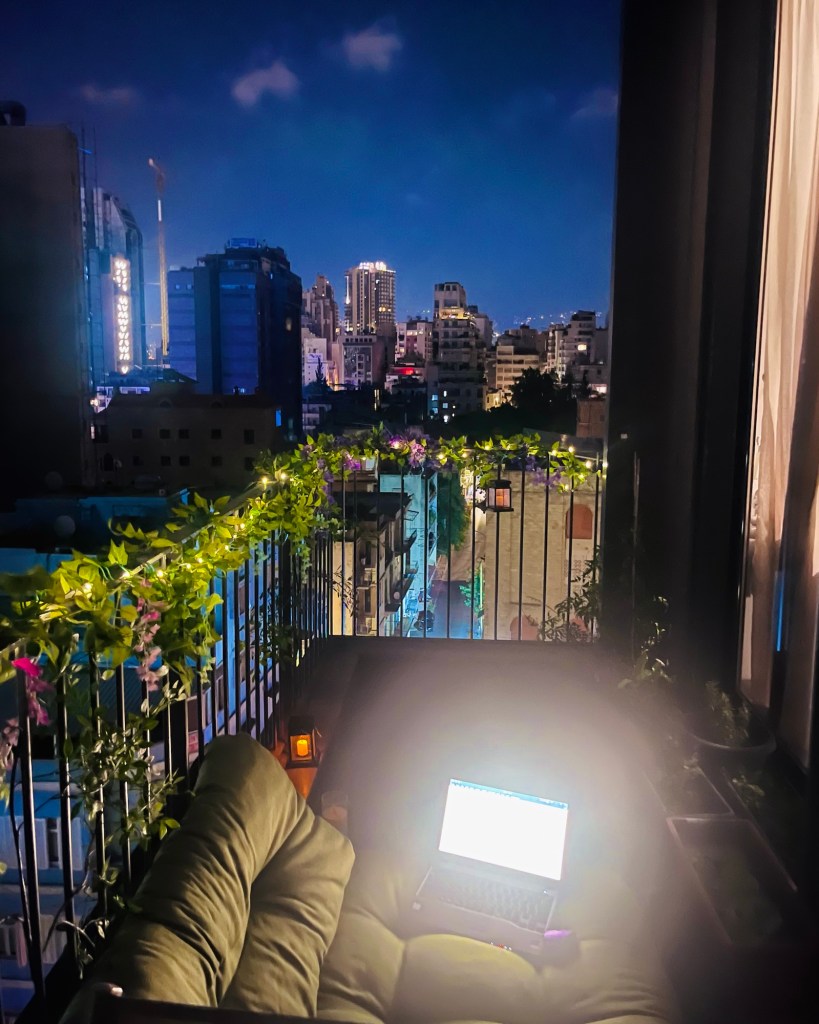
いつもより少し静かなベイルート。私はバルコニーで、シャワーで濡れた髪を風に任せている。
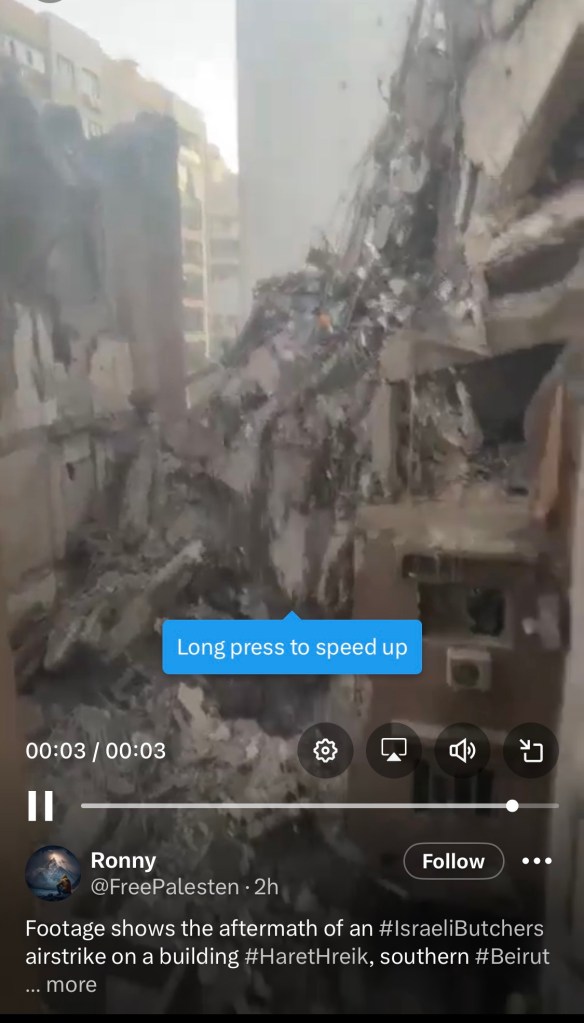
今から数時間前、まだ日の名残で明るい午後7時40分ごろ、車で10分も離れていないベイルート市南部のHaret Hreik地区が空爆された。イスラエル軍は声明で、数日前にゴラン高原のMajidal Shams(ドゥールーズ派の村)で子供12人を殺害した攻撃を主導した司令官を標的にした、と述べた。
2023年10 月以降、ガザ戦争と共に、イスラエルによるレバノン南部への侵攻可能性含めた両国間の緊張が伝えられている。レバノンは、2019年の経済危機、2020年のサイロ爆破・倒壊により元々脆弱化していた社会経済が打ちのめされ、さらに大統領もおらず国家としての機能が弱まる中、戦争が追加され、不安定さが加速している。
しかし、ベイルート市内に住んでいると、それらの緊張を感じにくい。台風の目にいるようでもある。知人のレバノン人学者は、「レバノン人は、結局イスラエルによる攻撃は南部だけに留まると信じたいようであるが、ベイルートまで及ぶ準備もしておかねばならない。レバノン人のレジリエンスは素晴らしいのであるが、それが度を過ぎ、無謀になっている。レバノンは修復不可能であり、永遠にこの状態が続く」という。
私の家周辺では、連日カラオケの歌声とパーティーの音楽が大音量で朝方まで鳴り響き、もはや最後の夜を楽しもうとするかのように、「I will survive」の曲に合わせ皆が踊りまくる。
毎週末パーティーにいくレバノン人の友人はこういう。「最早どうにでもなれという感じで何もケアしていない。今の生活だけ見ている。何が出来るというのだ」。
恐らく、2019年以降の危機状態の中で、住まい、資金等移せる人は海外に移し、そうでない人が、国内に残っているのだろう。また、世界と逆行し、レバノンでは現金を皆手元に置き、現金で支払い等を行う傾向が多い。これは、政府や銀行を信用していないことに起因するのだろう。
そして今日、そんなベイルート市内で空爆が行われた。3か月前から暮らし始めたベイルート。いつもより、静かで涼しい気がする夜。今晩は、向かいのルーフトップのバーも、音楽を鳴らさず、周辺の飲食店も早めに閉店しているのか、少し街が暗い。でも、多分明日は普通に来る。
This is my first post in several years, a short piece of writing.
Today, Beirut is a little quieter than usual. I’m lying on my balcony, feeling the wind blowing through my wet hair after showering.
A few hours ago, at around 7:40 pm, it was still bright after the sunset when the Haret Hreik area in the south of Beirut, which is less than a 10-minute drive from my home, was bombed. The Israeli military said in a statement that they targeted the commander who led the attacks, causing the killing of 12 children in the Druze village of Majdal Shams in the Golan Heights.
Since the end of April, I have lived in Beirut amid regional unrest. Since October 2023, along with the Gaza War, you may have watched many reports covering tension between Israel and Lebanon, including the possibility of an Israeli invasion of southern Lebanon.
The economic crisis of 2019 and the explosion at the silo in 2020 have severely impacted Lebanon’s already fragile socio-economy. With no president and a weakened state, instability is rapidly increasing.
However, living in Beirut makes it difficult to feel these tensions. It feels like being in the eye of a typhoon. A Lebanese scholar, an acquaintance of mine, said, “The Lebanese seem to believe that the Israeli attacks will be limited to the south, but we must also be prepared for the possibility that they could extend to Beirut. The resilience of the Lebanese people is amazing, but it has become excessive and reckless. Lebanon is in disrepair and may remain this way forever.”
However, people are singing karaoke and blasting party music loudly every day until the morning next to my house, in front of an exploded silo and an abandoned building with bullet holes from a war that took place decades ago. Everyone dances to “I Will Survive” music, as it seems, trying to make the most of their last night in the country.
A Lebanese friend who goes to the party every weekend says: ‘I don’t care anymore. We are only looking at our lives now. What can we do?’
Maybe, in the post-2019 crisis, those who could move their homes, funds, etc., moved abroad, while those who could not remain in the country. Also, contrary to the rest of the world, people in Lebanon tend to keep cash on hand and make payments in cash. This may be because they do not trust the government or banks.
Tonight, air strikes took place in Beirut. The night feels a little quieter and cooler than usual. The rooftop bar in front of my house is not playing any music, the restaurants in the area are closing early, and the city is a little darker. But maybe tomorrow will come as usual.
 レバントの片隅より From the corner of Levant