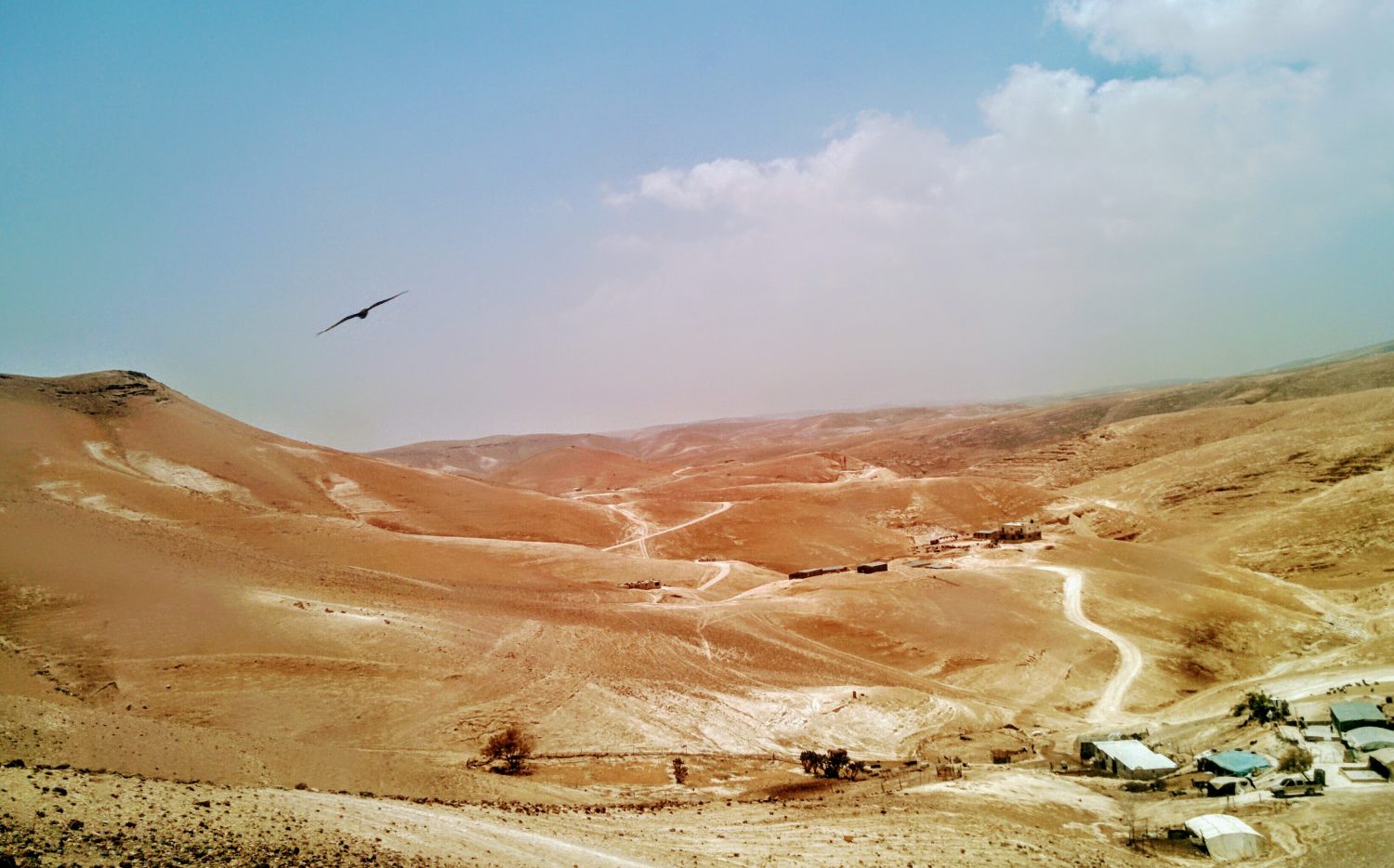

[English follows] 陶器の生産で有名なヘブロン。いざ、可愛い花柄陶器に心満たされんと、パレスチナ人の友人と我が車に乗り込む。自らハンドルを握りヘブロンへ行ったことがなかったので,並走する車のハッジ(おじさん)や,電話中のハッジ、道のハッジ、見かけたすべてのハッジを標識替わりに声をかけて道を聞き続け、1時間半くらいで到着。
※「ハッジ」は主に年配の男性に対しての呼びかけで使用される。本来はハッジ【メッカへ 巡礼】をした人に対して使う呼称だが、こちらでは、中年の人を呼ぶ時に冗談半分で使用。私もたまに呼ばれる。
アラビア語で「アル=ハリール」と呼ばれるヘブロン。その名は、ユダヤ・キリスト・イスラム教の祖であるアブラハムのお墓と呼ばれる場所がこの地にあり、彼が「ハリール(友人)・アル=ラフマン(神を表す名の一つ)」と呼ばれていたことに因するという。
ヘブロンは、オスマン帝国時代に持ち込まれたと言われている陶器制作とローマ帝国時代に始まったガラス工芸の生産で有名な町である。ガラス生産に当たって、当初は近隣の村から集めた砂や、死海から取れる炭酸ナトリウムなどを使用していたが、現在はリサイクルガラスを使用しているという。旧市街には[Glass–blowers ガラス吹き工]という名の地区もある。
訪れたのは手作りのガラス製品と陶器を生産している [Hebron Glass and Ceramics factory ヘブロン ガラス・セラミック工場]。350年ほど前,トルコから吹きガラスの技術をパレスチナに持ち込んだと言われているNatsheh 家が1960年代に開いた工房だ。以前はヘブロン市内に沢山の工房があったようだが、昨今の情勢により、産業は衰退し、多くの工房は店を閉じてしまったという。
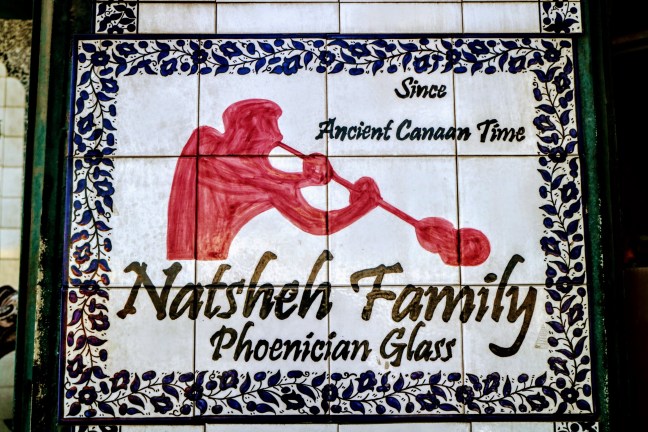
工房では、火が燃えさかる窯の前でガラスを吹く青年、白い器に絵付けをしている壮年男性など15人ほどの職人が、各々の仕事に勤しんでいる。


絵付け職人らと、拙いアラビア語で会話を進めているうちに、この道十数年のホサムに呼ばれ「なんでも好きなものを書いてごらん」と、白い器と黒い墨の付いた筆を手渡された。何を描けばよいのか迷ったものの、パレスチナやイスラエルの遺跡で折に触れて目にする、豊かな自然と動物の生き生きとした姿が描かれた楽園を思わせるモザイク画が頭に浮かんだので、筆を動かしてみる。結果、筆を折りたくなるレベルの動物や草花を描いてしまい、私の楽園ははじまる前から失楽した。ホサムが「それは俺からのプレゼントだ」と、言うので、私の失楽した器が焼きあがる頃に再訪することを約束し、お昼ご飯のババガヌーシュ(茄子のペースト)と全粒ホブス(パン)を遠慮なくお代わりまでして頂いた後、工房を後にした。


店頭は、ターコイズ、ロイヤルブルー、エメラルドグリーンなど青色を中心としたガラス製品で彩られていて、死海のグラデーションを思い起こさせる。そして、壁には草花模様のタイルで縁取られた鏡が所狭しと並ぶ。中にはヘブライ語が書かれているものもあるが、これは海外から訪れるユダヤ人観光客に向けたものだという。


パレスチナの陶器には、素朴な花々が描かれていることが多い。何の花か聞いてみるが、「その辺の花だよ。特定の花ではない」と、私が期待する回答が来た試しはない。しかし、それは自然の草花とパレスチナ人とのゆるい関係性を表しているようでもあり、何となく「そうかー」という気持ちになりそうになるが、気を取り直し「花の名を知りたい」という強い気持ちと共と、宛てのない花の名を探す旅は続く。


ヘブロン:ヨルダン川西岸地区南部に位置する人口約20万人の都市。B.C2000年ごろ町の原型ができ、B.C1世紀のヘロデ王の時代ごろから、交易地として発展。特に18世紀後半からはエジプトからの交易の中継点として重要な商業地点となる。19世紀末ごろからシオニズムが活発化し、ユダヤ人の入植がはじまると、ユダヤ人とパレスチナ人との間に暴動がおこるようになる。1948年のイスラエル建国後、大量のパレスチナ難民がヘブロンなどの南部の都市に多く流入。1967年の第三次中東戦争でイスラエルがアラブ軍に勝利すると、ヘブロンも占領下におかれ、その後は入植地が次々と建設されていく。2017年、旧市街が世界遺産リストに登録される。
If you come to Palestine, you will have many chances to see the idyllic pretty flowers drawn on local handmade ceramic which arouse my interest. To peek into the production process at the workshop, I started my car’s engine and drove towards Hebron in the southern part of West Bank which is famous for its production of Ceramic and Glass. However, my Palestinian friend and me have never driven there by ourselves, so we kept asking along the way any available Hajji (Middle age man) on the streets, any Hajji who is talking on the phone, or a Hajji who is driving a car parallel to mine, then finally arrived in an hour and half later which was not bad at all.
※Anyone who has visited Mecca during Pilgrim time is named Hajji, but sometimes Middle Age persons in here are called Hajji as a show of affection and that includes me.
Hebron is called ‘‘Al-Khalil’’ in Arabic ( Hebrew: Ḥevron) which came from Abraham, who is the common patriarch of the three Abrahamic religions (Judaism, Islam and Christianity) and he was named as Khalil (Friend) Al-Rahman (The compassionate one of the names which describes Allah). He has strong relationships with Hebron because it is believed that he was buried at the Ibrahim mosque ( for Muslims), Cave of Machpelah ( for Jews), in the old city of Hebron which has been a strong stage of the conflict.
To my little knowledge (sorry if it’s wrong), people in Hebron have started ceramic production during the Ottoman era and glass making in the Roman era. As evident from the existence of the ‘‘Glass blowers quarter’’ in the old city, there were many small workshops in Hebron, however, most of them were forced to close because of the ongoing conflictive situation surrounding Hebron and Palestine.
We visited ‘‘Hebron Glass and Ceramics factory’’ which was opened by Natsheh family in the early 1960s. Originally, the family has been in the glass making business since mid of 17th century. Nowadays, the glass materials are made of recycled glass rather than the glass made in the past by sand from local villages and sodium carbonate from the Dead Sea .
The storefront is filled with various types of glasses: Turquoise, royal blue, azure and emerald colours which makes me imagine the gradation of the Dead Sea. Also, the hanging tiles with flower patterns decorated the shop’s walls with sometimes displaying ‘‘Shalom’’ (Hello) in Hebrew for Jewish customers from abroad.
In the bottega, around 15 craftsmen worked diligently. While a young craftsman is blowing the glass in the front of a roaring fire in the kiln, a skilled craftsman put the colours on the white pottery.
When I was talking to the paint craftsmen with my poor Arabic, craftsman Husam called me and gave me a white pottery and a writing brush. He said :‘‘Just draw whatever you like’’. I had no idea what to draw. At that time, I started imagining paradise with surrounding vivid animals and colourful flowers depicted in the mosaic tiles that I experienced during my stay in here, KANAAN area. So I let my brush flow, and move along. However, the result was terrible, I drew flowers and animals that don’t relate to Paradise but maybe a lost paradise. Paradise fell before it was created. Husam told me: ‘‘That is already a gift for you’’.
We were invited to lunch and ate Eggplant paste (Babaganushu) and a whole wheat flour Arab-bread (Khobs) . Then, we promised to come here again to pick the baked ‘Lost Paradise’ pottery.
Usually Palestinian ceramics are decorated with idyllic flowers. I am eager to know the origin of flower drawing, so I asked the craftsmen in the workshop about it because my heart got caught with the beauty of the flower pattern. As I expected, the answer was ‘‘There is no specific motive. The flowers came from the surrounding nature’’. In my view, it’s typical Palestinian answer.This answer shows the relaxed relationship between Nature and Palestinians and I was almost convinced by this answer. But, my journey of searching this flower’s name will continue with strong motivation.
 レバントの片隅より From the corner of Levant